From Manual Reconciliation to Intelligent Automation: Modernizing Post-Trade Operations
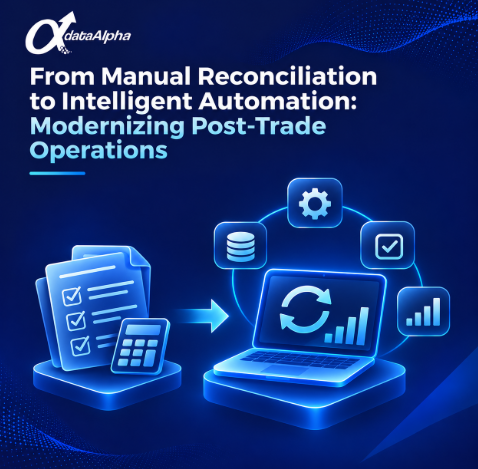
For investment firms, the work doesn't end when a trade is executed. Every transaction needs to be verified, matched with the right records, and settled accurately. While these processes are essential, managing them manually can take considerable time and effort.
As transaction volumes grow, relying on spreadsheets and disconnected systems becomes increasingly difficult. This has encouraged financial firms to explore intelligent automation as a way to simplify post-trade operations and reduce unnecessary delays.
Why Manual Reconciliation Creates Challenges
Reconciliation often involves comparing information from brokers, custodians, and internal systems. When records don't match, operations teams must investigate the differences and determine what went wrong.
Even a minor discrepancy can require multiple checks and follow-ups. Poor financial data management makes the process more complicated, particularly when information is spread across different platforms.
How Intelligent Automation Is Changing Post-Trade Operations
1. Spending Less Time Matching Trade Records
Checking transactions across multiple systems can take up a large part of an operations team's day. Automated reconciliation handles routine comparisons and highlights mismatches, allowing employees to focus on resolving issues rather than reviewing every record manually.
2. Resolving Trade Exceptions More Efficiently
A missing transaction detail or incorrect settlement instruction can delay the entire process. Automation helps identify these issues earlier and directs them to the appropriate teams for review.
3. Keeping Financial Records More Accurate
When data moves between different systems, inconsistencies can occur. Combining automated checks with financial data quality management practices reduces the need for repeated corrections and improves record reliability.
4. Getting a Clearer View of Daily Operations
Without a centralized view, tracking unresolved transactions can be difficult. Modern fintech software solutions give operations teams better visibility into pending reconciliations, outstanding exceptions, and settlement progress.
Making the Shift to Automation
Modernization doesn't always require replacing existing technology. Firms can begin with repetitive reconciliation tasks and gradually connect systems that currently operate separately.
Experienced fintech consulting services providers can help identify where automation would make the greatest difference.
Conclusion
Moving beyond manual reconciliation allows investment firms to spend less time on repetitive checks and more time addressing operational issues. With the right automation approach, firms can improve accuracy, reduce settlement delays, and manage post-trade activities more effectively.